Vintage Air Rally proving, well, real.

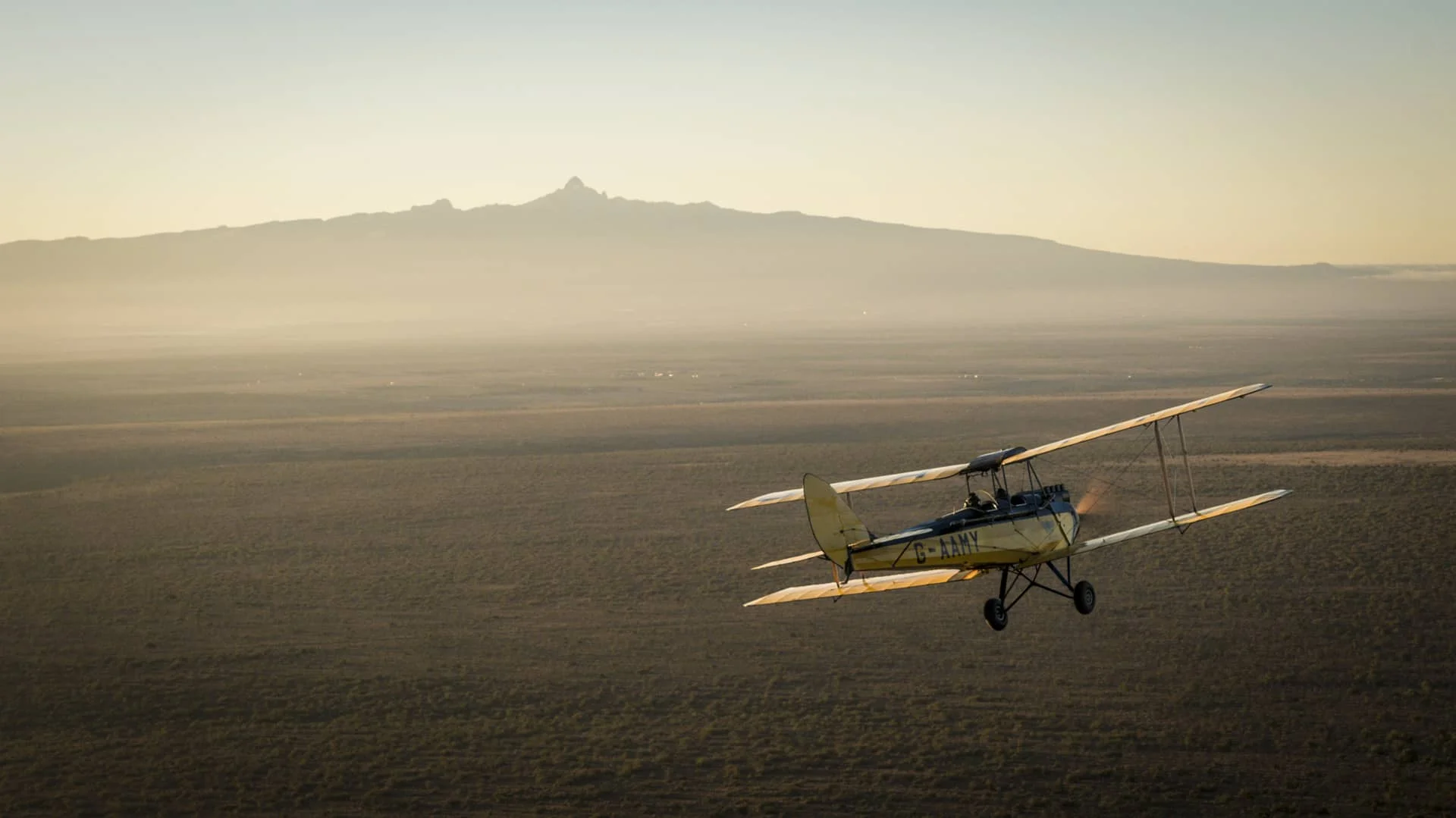
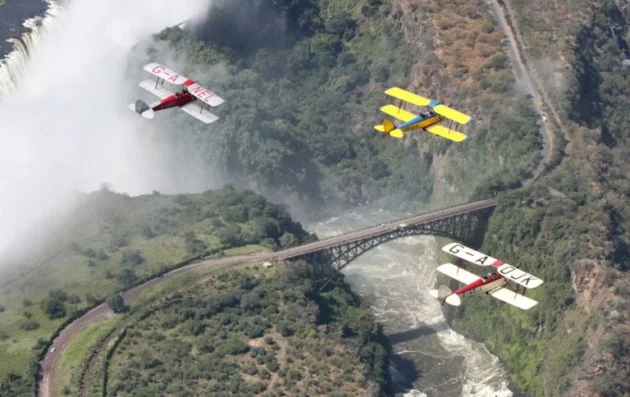
No one said it would be easy. Renowned eccentric Maurice Kirk, 71, one of the magnificent men in their magnificent flying machines making the cross-Africa trek as part of the Vintage Air Rally, in which nearly two dozen pre-1939 biplanes are flying from Crete to Cape Town, South Africa over 35 days, was reported missing over South Sudan earlier this month.
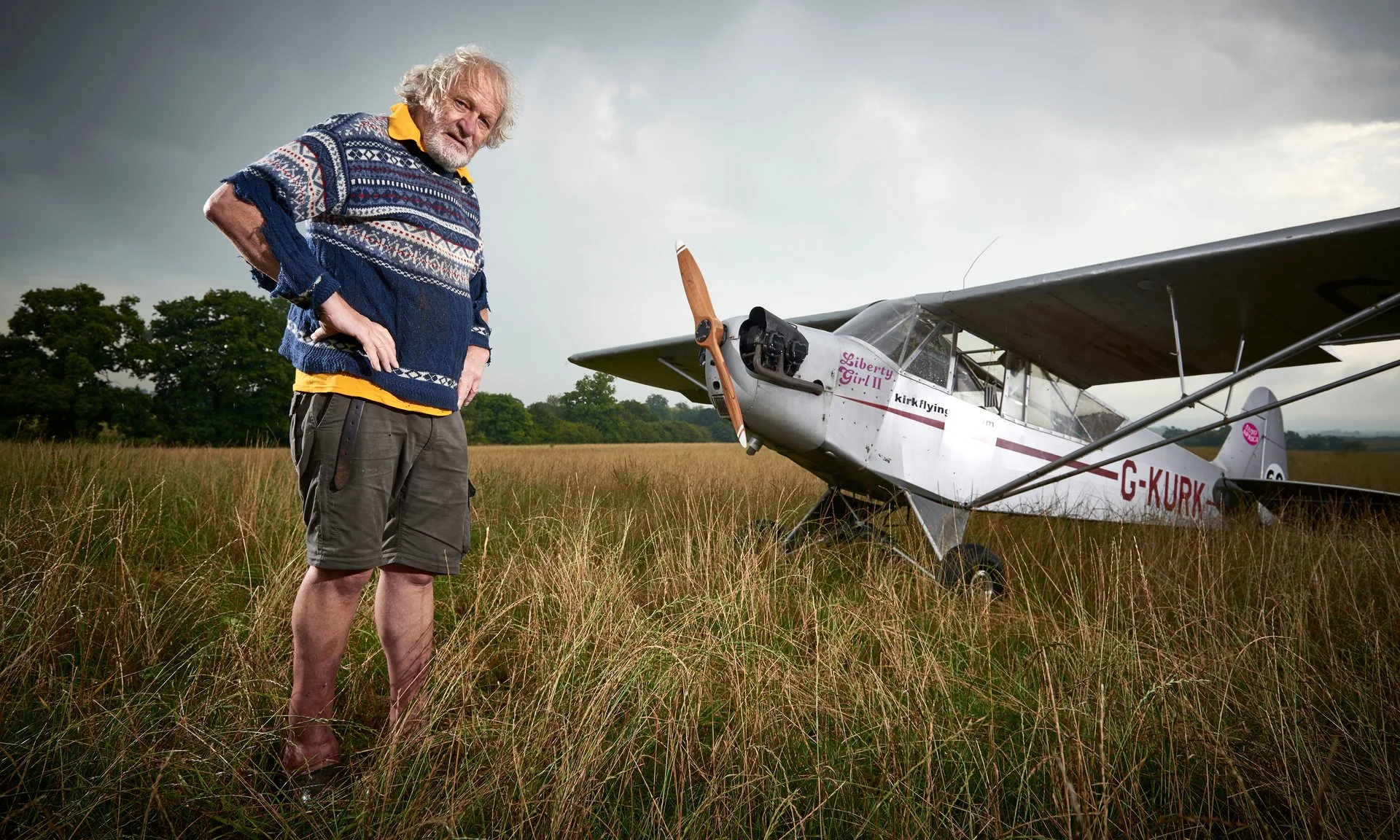
Maurice Kirk, Vintage Air Rally pilot

Maurice Kirk, Vintage Air Rally pilot

Of all the places to be reported missing in a rickety World War II-era flying machine, South Sudan is not as ideal as, say, the Hudson River.

As it happened, Kirk turned up alive and well — as an unscheduled guest of the Ethiopian state, provided free room and board in the local clink— just days later, in a dusty, flyblown outpost of the Sudan-Ethiopia border.

Perhaps Kirk’s paperwork had been in order, perhaps not. Either way, no one, it seems, bothered to give the border-post guards a heads-up, which is odd because South Sudan is, after all, a war zone. Viewed from afar, and unexpectedly, even a 1943 Piper Club plane can look suspicious. 

This is Africa, as Leo DiCaprio’s character was wont to say in the 2006 movie Blood Diamond. Forget the heat, the humidity and the vicious crosswinds. Never mind the bugs, the pestilence and the dangerous animals: It’s the bureaucracy that will get you every time.

By the time the contretemps was over — “This has all been a terrible misunderstanding,” was repeated more than once — the pilots of 20-something vintage planes were allowed to continue, Ethiopian officials confirmed with the BBC, underscoring another curious fact of life in modern-day Africa: When something goes seriously wrong, it’s often down to the BBC to sort it out.

As of posting, the pilots — and their magnificent flying machines — are cooling their heels in Nairobi, before winging off, Out of Africa-style, over Mt. Kilimanjaro to Zanzibar.

The planes, dating from the 1920s and 1930s, took off from Crete on Nov. 12 on their 12,900km (8,000 mile) journey to Cape Town. The rally is an attempt in part to recreate the 1931 Imperial Airways “Africa Route.” The flying teamsare expected to reach their destination on Dec. 17, barring further unforeseen difficulties.

The teams, complete with support aircraft and helicopter supply teams, are being piloted by flying enthusiasts from a wide range of countries, including Belgium, Germany, Botswana, South Africa, the UK, Canada and Russia. The rally includes husband-and-wife teams, fathers and daughters and entire families. One young woman pilot, from Botswana, is 15.

On the other end of the age spectrum, Kirk, it goes without saying, is the quintessential eccentric Brit, complete with a spotty past — he’s a former “drinking partner” of the actor Oliver Reed, The Guardian reported — and a knack for talking himself into, and out of, trouble.

By the time the border incident was over, the grounding and detention of pilots and their planes involved both Britain’s Foreign Office and the U.S,. State Department, this after Wesenyeleh Hunegnaw, head of Ethiopia’s Civil Aviation Authority, told the Associated Press that the pilots had entered Ethiopian airspace illegally and were “under investigation.”

Maurice Kirk

Maurice Kirk

A spokesperson for the UK Foreign Office said simply: “We are in contact with the local authorities regarding a group who have been prevented from leaving Gambela airport, Ethiopia.”

Ah, yes, the language of international diplomacy. Gotta love it. 

The magnificent men — and women — in their magnificent flying machines had to surrender their cellphones and laptops, before being waved on to neighbouring Kenya. Presumably by now, iPhones and MacBook Pros have been returned to their rightful owners, assuming, that is, that the flying teams don’t include some actual spies.

And then there are the eccentrics.
Kirk had a near miss once in France, in his pre-Vintage Air Rally flying days, when he suffered engine failure in his plane, dubbed “Liberty Girl II,” while approaching Cannes. “That so easily could have ended in a tangled pile of twisted aircraft and Maurice,” he posted on Facebook. There very nearly was not a Liberty Girl III.

Africa, it goes without saying, is, well, big.

“Where am I?” Kirk posted angrily on Facebook, on Nov. 19. “I keep getting lost which is why I really wanted to go via Gibraltar and just keep the sea on my right to Table Mountain [Cape Town].”

As it is, Kirk has already suffered a puncture and propeller failure, not to mention that unscheduled stay as a guest of Ethiopian border authorities. He very nearly got himself disinvited from the rally before it even began, owing to what rally organizers called, “a mismatch in expectations.” There have been pluses, mind. Dongola, Sudan, will be a cherished memory for life, The Guardian reported him saying. “(This is) what life is all about … the fried fish fresh out of the Nile … the coffee you can [stand] your spoon up in.”

Ethiopian coffee, no doubt.


Can a photograph change the planet?

Earlier this month, Time asked half-a-dozen of the world’s most prominent nature photographers to choose the photos from their work that moved them the most.

The idea was predicated on the idea that wildlife photographers play a major role in preserving what’s left of our fragile ecosystem.

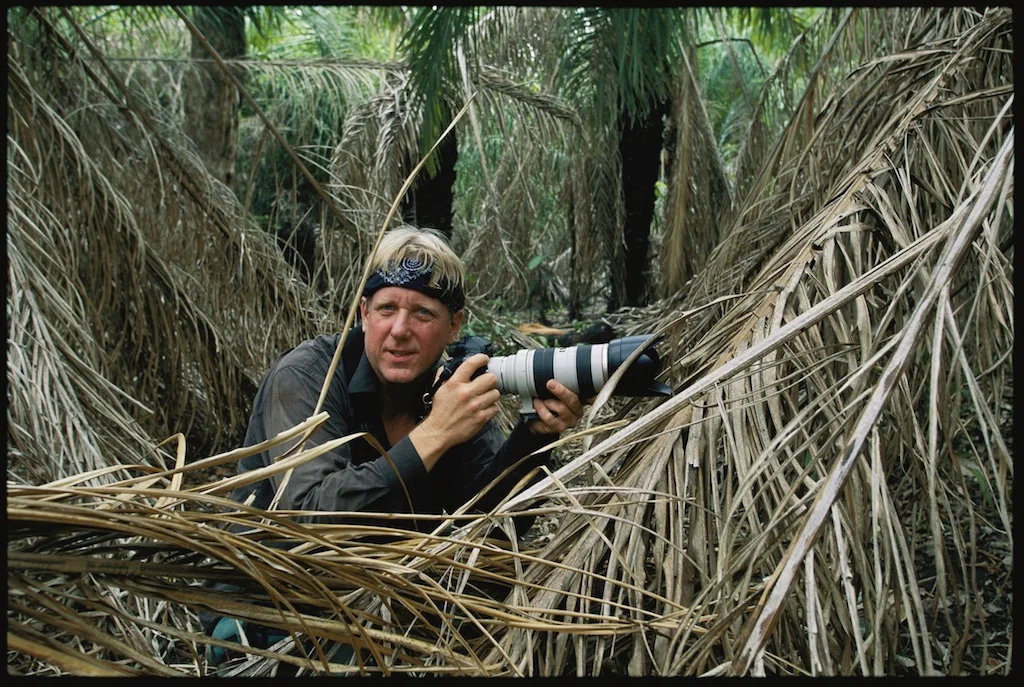
Wildlife photographer Steve Winter ©National Geographic

Wildlife photographer Steve Winter ©National Geographic

The camera is a tool through which photographers share their unique, individual experiences of the natural world.

Whether it’s reflecting the tangible effects of climate change on the planet’s ever-changing environment to creating a visual record of animal species on the brink of extinction, these photographers play a critical role as passionate advocates for the natural world.

One of the most significant international climate agreements in a generation came into effect on Nov. 4, but the future remains cloudy for many species. Here’s a snapshot look at some of theirwork, as chosen by the photographers themselves and shared by Time’s LightBox editors.


© Steve Winter

© Steve Winter

Perhaps the most striking image — because of its setting in one of the world’s best known, most densely populated cities — is National Geographic veteran Steve Winter’s night-time camera-trap photo of a mountain lion known to the National Park Service biologists as P-22. The cat’s tracks had been spotted in Los Angeles’ Griffith Park. Winter set up camera traps along trails where P-22 was known to roam. Even at that, it took Winter 15 months to capture this image. P-22 would go on to become “the poster child” for wildlife corridors — lanes of safe passage that allow restless, nomadic predators to roam from one protected area to another. Winter’s image proved instrumental in passing a California government initiative that established a “wildlife overpass,” over Freeway 101 at Liberty Canyon. “This image means a lot to me,” Winter told Time, “because it made a difference.”


© Michael "Nick" Nichols

© Michael "Nick" Nichols

Michael “Nick” Nichols took the famous “Michelangelo” photo of a chimpanzee reaching out to touch a strand of primatologist Jane Goodall’s hair. This this less flashy, more prosaic image of elephants moving towards a life-giving rain shower in Northern Tanzania’s Serengeti National Park reflects the wilderness at large, though. “If we lose this,” Nichols told Time, “our planet will have an empty heart.”


© Cristina Mittermeier

© Cristina Mittermeier

© Cristina Mittermeier

© Cristina Mittermeier

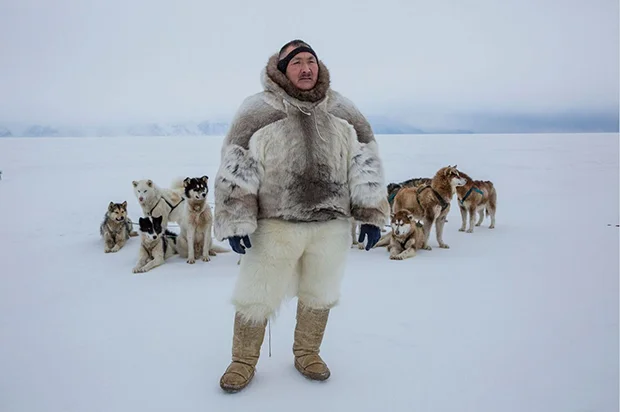
Washington, D.C.-based photojournalist Cristina Mittermeier has devoted her entire career to photographing indigenous cultures and their tenuous relationship to an increasingly fragile environment. Her travels have taken her from the Kayapö village of Aukre in the Amazon Basin to Qaanaaq, the northernmost settlement in Greenland, where she took these images of Inuit hunter Naimanngitsoq Kristiansen. Dismissing climate change as a hoax is not just idle talk from ill-informed politicians or a cynical ploy to boost the fortunes of oil companies, Mittermeier says. At best, it’s irresponsible, and at worst, it’s downright dangerous. The Inuit, Mittermeier told Time, are losing an ancient way of life. “The Inuit people will be some of the most dramatic and tragic victims of climate change.”

The original post can be found here:

http://time.com/4552389/protecting-nature-the-photographs-that-moved-them-most/

Dodo skeleton comes to life

There is just one known near-complete skeleton of a dodo from the bones of a single specimen in the world, and it comes up for auction this Tuesday, in West Sussex in the UK.

The composite skeleton, put together over a period of two decades by an as-yet unnamed private collector, is expected to fetch £500,000 or more when it’s put for bid by Summers Place Auctions, one of the world’s leading auctioneers of natural history items, based in Sussex.

The skeleton is unique because it’s believed to be the only one from a single animal. Around the world, there are no more than a dozen composite skeletons from different animals, including the one on display at London’s Natural History Museum.

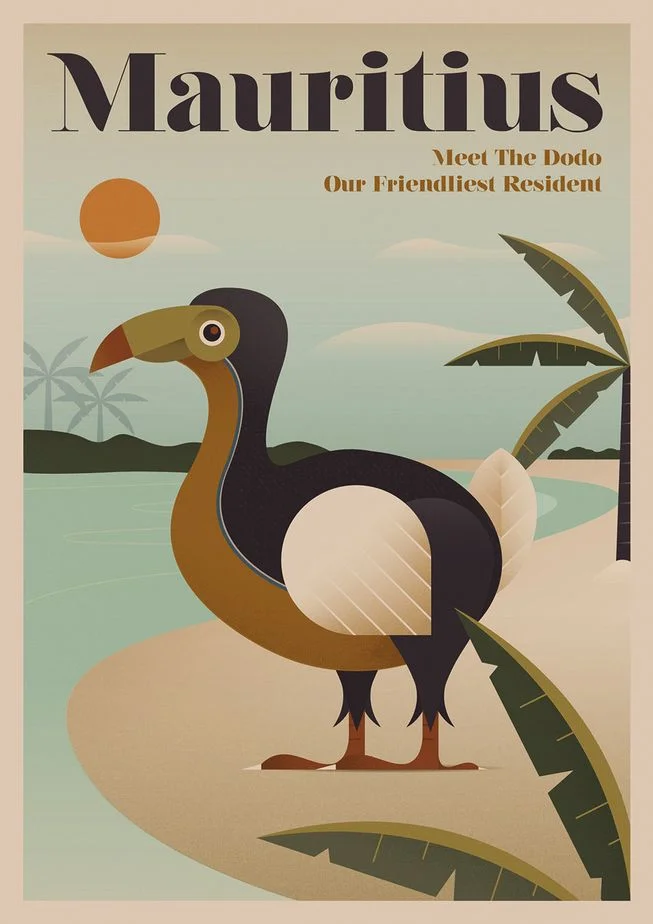
The dodo was first discovered by the outside world in 1598, on the Indian Ocean island of Mauritius, about 1,200 miles (2,000 kms) southwest of the African continent. Just 70 years after its discovery by Dutch sailors, the dodo was extinct. The dodo was unique to Mauritius; no other remnant populations were found.

Over time, the dodo has come to represent mass extinctions.

The dodo was exploited for centuries after its disappearance. The vast majority of bones were collected in the 19th century, only to vanish in many cases, without being catalogued or stored. 

The government in Mauritius has since banned the export of dodo bones, so it’s unlikely that another composite skeleton will be assembled or put up for auction again.

Composite skeletons aside, the dodo’s appearance is limited to drawings, paintings and written accounts dating back to the 17th century.

The dodo stood about three feet, three inches tall (roughly one metre) and weighed as much as 47 pounds (22 kgs). Because it was flightless, it made easy pickings for hungry sailors and meat traders. It was also vulnerable to habitat destruction, and was decimated by invasive species.

The dodo holds a special place in conservation circles because it’s the first animal that drew attention to the previously unrecognized problems of humans’ roles in the disappearance of entire species.

The dodo would live on in popular culture, though, most famously in Lewis Carroll’s Alice’s Adventures in Wonderland, in which a dodo encourages Alice and her companions to compete in a so-called “caucus” swimming race.

The race contestants could swim in any direction or pattern they like, and start and finish where they want, so that everyone wins. Carroll later said the caucus race was an intended as a satire on the political caucus system, which everyone talks and nothing is accomplished.

Not unlike a conservation conference.

Daredevil derring do: a madcap dash across Africa in vintage biplanes

“There are as many Africas as there are books about Africa, and as many books about it as you could read in a leisurely lifetime,” Beryl Markham wrote in West with the Night, her 1930s autobiographical account of flying vintage planes across Africa and, eventually, the Atlantic ocean.

That was then, this is now. The Vintage Air Rally, which took off — literally — from Crete earlier this month with Cape Town, Africa as its final destination, is the longest, most ambitious biplane flight ever tried in modern times.

image article-2274677-1761DB60000005DC-526_964x613.jpg

In 1928, Lady Sophie Marie Heath, of Ireland, achieved the first solo flight from the top of Africa to the bottom, an 8,000-mile journey from Cairo to Cape Town.

This time around, pilots flying a fleet of 15 vintage biplanes — all produced before 1939 — will attempt to repeat history.

This is no lark. The rally has been a cooperative effort involving national governments, sponsors, charities and aviation enthusiasts from Belgium to Botswana.

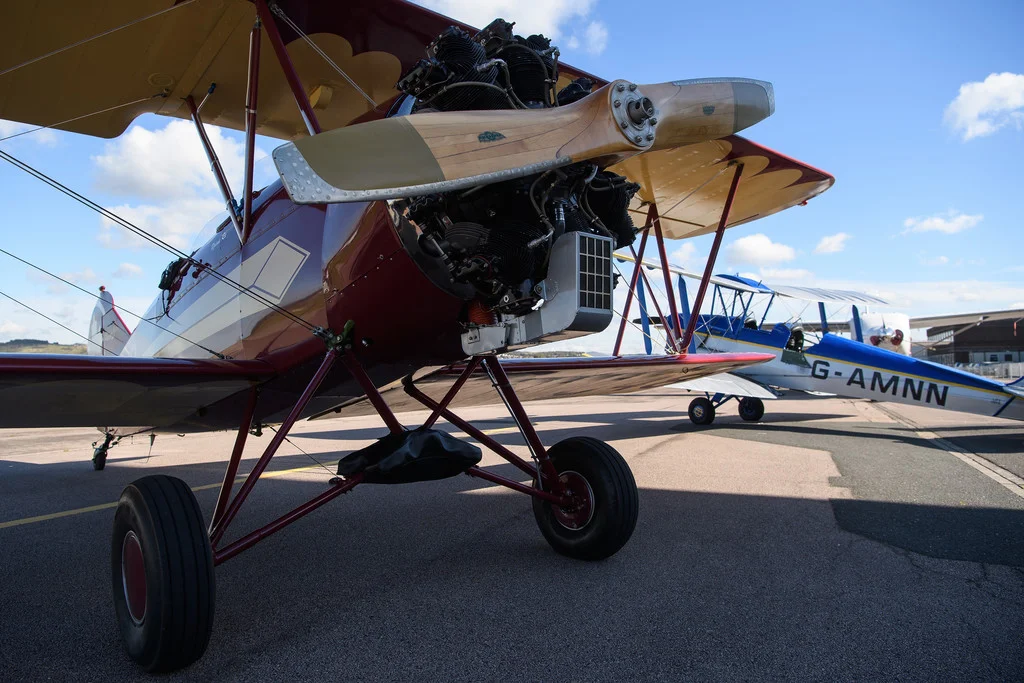
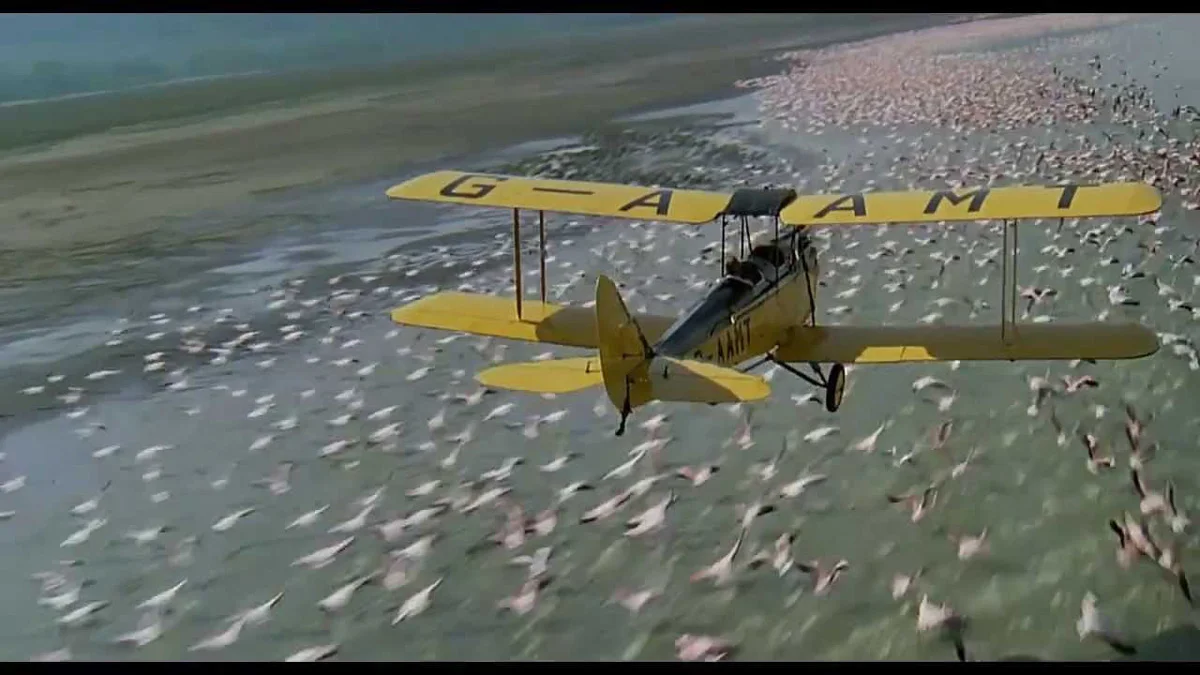
The yellow Gypsy Moth, the De Havilland biplane memorably flown by Robert Redford in Out of Africa, is among the magnificent flying machines trying to accomplish the near-impossible.

The rally is in part to raise money for charities; the group Prepare2go, for example, is raising funds for UNICEF and endangered vultures. The flying teams will scatter tree seeds along the way, to raise awareness in the need for reforestation across some of the planet’s most arid landscapes.

Interestingly, despite the tensions and conflicts across much of the continent, nearly all governments appear to be on board. Egypt willallow pilots to land at the pyramids in Giza, for example, the first time the Egyptian government has allowed landing permission by the pyramids since the early 1940s.

The rally will generate welcome positive publicity; Kenya, Sudan and Zimbabwe are just a few of the countries that see the tourism benefits of vintage biplanes flying over the White Nile and Maasai Mara on their way to Victoria Falls and, eventually, Cape Town.

http://www.vintageairrally.com/

https://www.theguardian.com/world/2016/nov/13/vintage-air-rally-cairo-cape-35-days

Interview with the Cat Lady

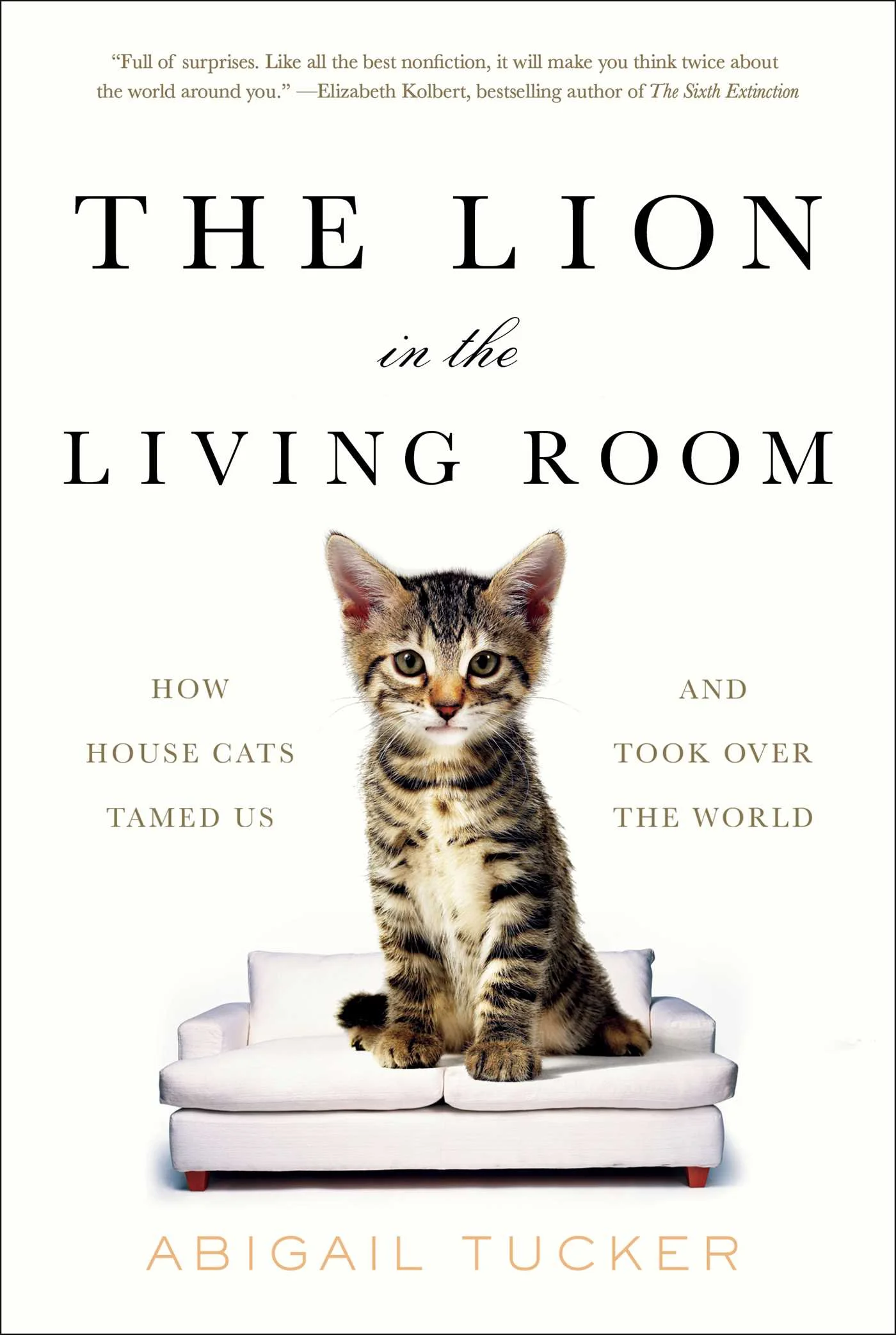
Early reviews have been mixed, as with most new books worth commenting about. Amazon customer reviews of Abigail Tucker’s The Lion in the Living Room: How House Cats Tames Us and Took Over the World is either a must-have for cat lovers or a hate crime against cats, depending on which reviewers you choose to believe.

Published just last month, timed for the Christmas shopping season no doubt, it’s a good idea to really know the person you might give this to as a gift. The 250-plus page book isn’t a love sonnet to the world’s most popular pet — with all due respect to man’s best friend — as much as it is a clear-eyed look at the natural history of house cats, from their early days as self-appointed guardians of granaries and papyrus scrolls in Ancient Egypt — they killed grain-eating mice and birds, you see, as well as popping off the occasional snake, drawn by the grain-eating mice and birds — to today’s couch moggy.

Tucker’s book has three distinct themes: the natural history of cats, the evolutionary science of a hypercarnivore and superpredator, and an admittedly unscientific deconstruction of the psychological bond between pet and pet owner — or pet guardian, if you prefer — over time.

Today’s couch moggy is also tomorrow’s potentially invasive species, though, as Tucker goes to great pains to point out, with empirical and statistical evidence to back her up. (This is where the alleged hate crime against cats comes in.) Allowed to run loose, unspayed and unneutered, cats can adapt to virtually any environment. Once loosed unsupervised into the wild, they will hunt and eat anything they can, and reproduce at will. Tucker talks to wildlife preservationists in her book who dub feral cats “an ecological axis of evil” to be annihilated en masse.

Cats also spread dangerous parasites and viruses. Cats spread toxoplasmosis! Did you know that? Left untreated, Tucker finds, toxoplasmosis cause birth defects in humans, and rot your brain! It came from inner space.

Readers who dislike the book really dislike it: There’s no happy middle.

Myself, it works for me, because I like science and I enjoy reading about science, though some of Tucker’s personal anecdotal details ring false to me. They make terrible mousers for example, she writes, no more useful at killing mice than dogs are. I can speak from personal experience that that is fundamentally untrue: I have had four rescues in my time, and all four were dedicated mousers. A tall, rangy black cat I dubbed Kipling didn’t stop there; in the lane outside my house in the inner-city one morning, he bagged himself a rat. The reason, again in my experience, why cats may appear to be lousy mousers is that — and this is as unpleasant to witness as read about — is that they don’t kill mice so much as catch them and worry them to death, like a chew toy.

In a sit-down interview with National Geographic just days ago — linked here:

http://news.nationalgeographic.com/2016/11/cats-lion-living-room-abigail-tucker/

 — Tucker explained why she devoted so much time to uncovering the secret history of cats — other than the obvious reason, to make money — and proffered her own, admittedly unscientific opinion as to how house cats tamed us. Anyone who’s ever been a cat companion knows that’s the way the relationship is, too — we adapt to the cat rather than the other way around. They’re independent; as they can get by in the wild, they’re not as dependent, or needy, as dogs.

The Lion in the Living Room suffers from errors of omission, but that’s easy to forgive. For me, anyway. Realistically, as anyone who knows cats knows, 250 pages probably isn’t enough. Darwin needed 500 pages for On the Origin of Species, after all.


Orphans in Eden

The elephant orphanage sits in a corner of Nairobi National Park. Each morning, for an hour, tourists come from all over the world to watch the orphans guzzle bottles of milk formula fed to them by their keepers.

On any given day, there may be as many as 30 baby elephants. Many have lost their mothers to poaching; some may have fallen down wells or into a gravel pit. All of them have been orphaned — or abandoned — as a result of human activity.

Some were saved by dramatic rescues; nearly all are traumatized by the loss of their families.

The David Sheldrick Wildlife Trust, named for one of the original park wardens — now deceased — of Kenya’s Tsavo National Park and run to this day by his widow, Dame Daphne Sheldrick, and her grown daughter Angela Sheldrick, nurtures the elephants to the age of three, by which time they are relocated to a specially designed compound at Tsavo with a mind to eventual release back into the wild. Once back in the wild, they often join wild herds, where,  even in a semi-perfect world, they have a chance at living happily ever after.

The orphanage and relocation program are financed in large part by micro-donations from ordinary, everyday people. USD $50 a year allows anyone to sponsor a specific baby elephant, with a name, past history and a human minder for companionship in the baby elephant’s formative weeks, months and even years.

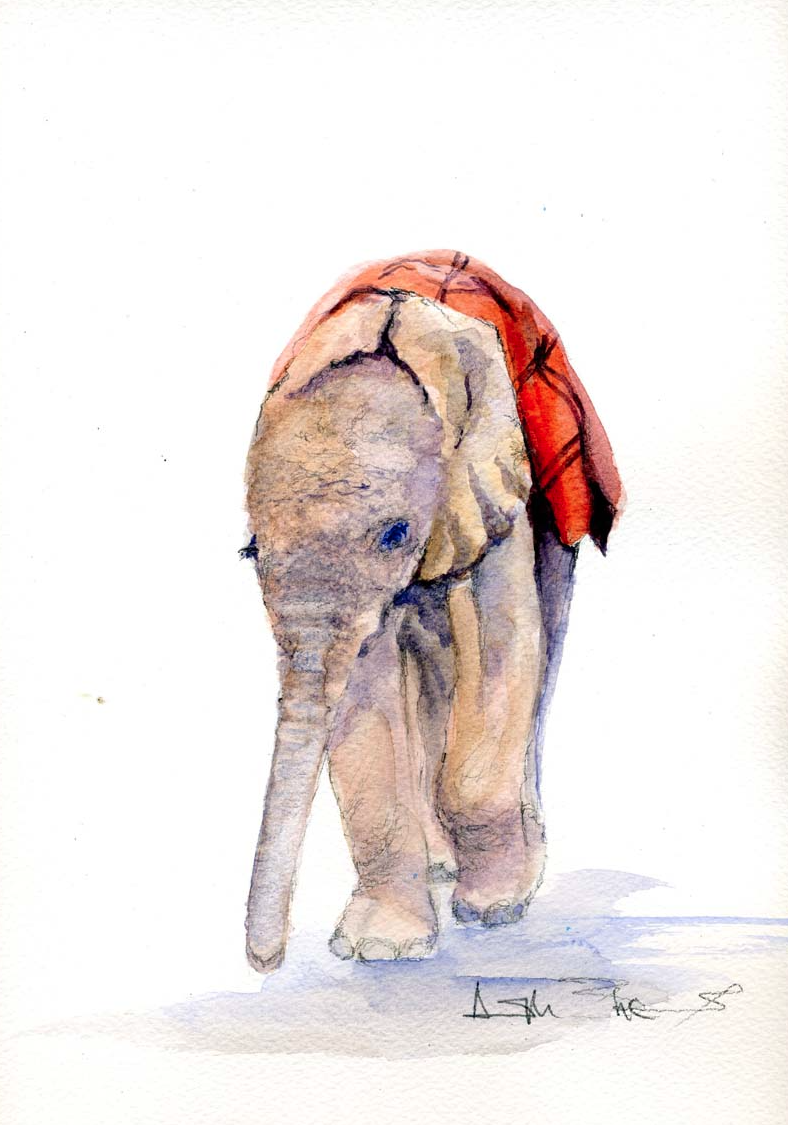
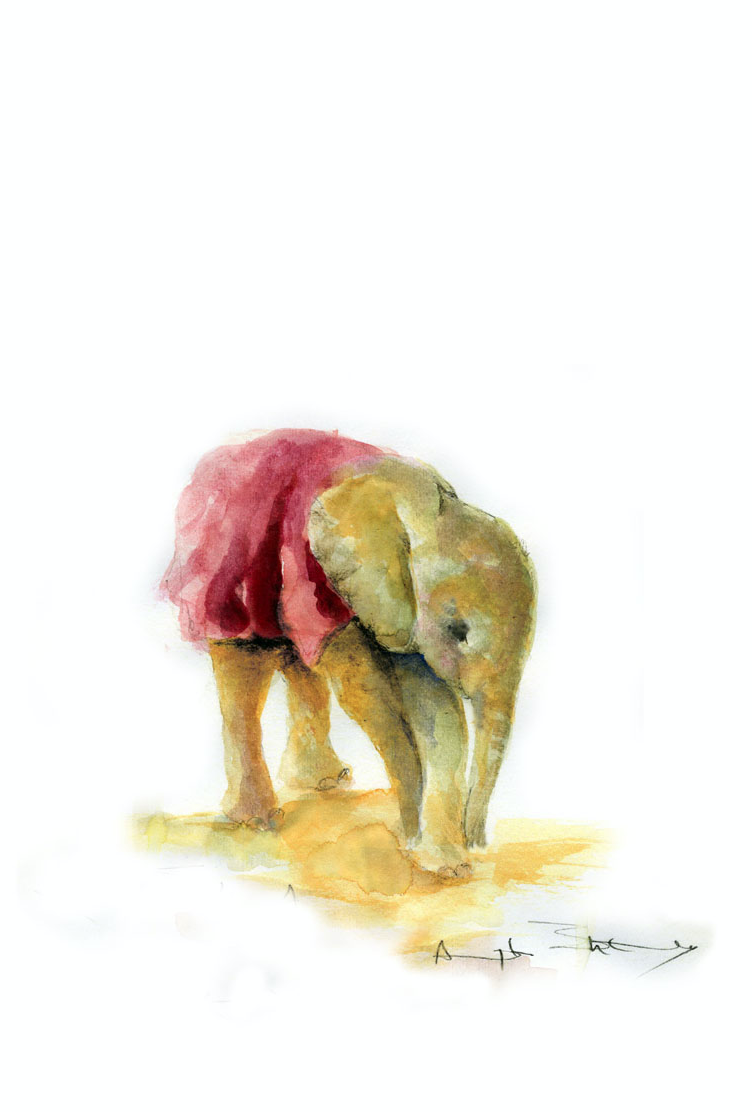
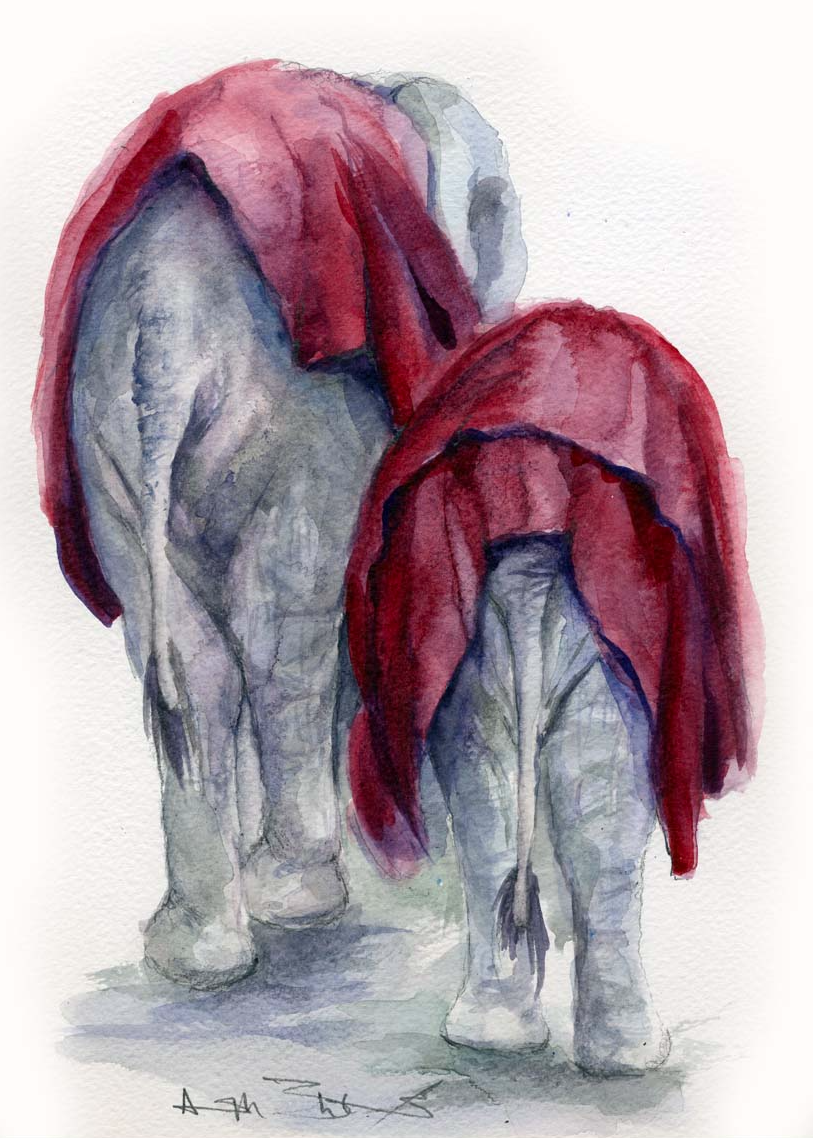
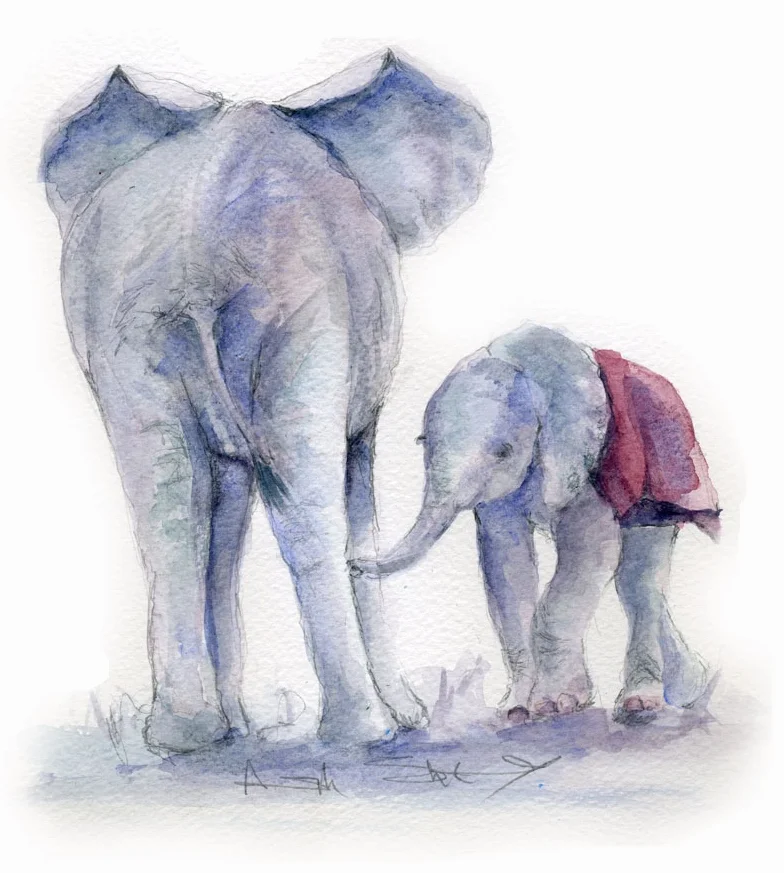
Angela Sheldrick’s passion is elephants; her hobby is painting, mostly watercolours. She paints each orphan who comes into the sanctuary’s care. Sponsors get a watercolour print of their chosen baby, and the circle of life — and art — carries on.

The Sheldrick orphanage will be familiar to anyone who’s followed conservation programs in the news; career foreign correspondent Bob Simon once profiled Daphne Sheldrick for 60 Minutes

Angela Sheldrick’s watercolours are a lesser-known part of the project, however, which is why I’m sharing a few of them here.

Across Africa, on the continent as a whole, elephant numbers have dropped by half, to 360,000 from an estimated 700,000 in 1990.

The fight is on to save them, one sponsor and one watercolour at a time.

http://www.sheldrickwildlifetrust.org/

Look, up in the sky!

Ad dicit officiis probatus sed, labores fastidii ad sit, and all that. Elon Musk, of Tesla and the race-to-space fame, says the fossil fuel industry is so 1900, and he has a point. 

From Mideast wars and the “blackening of the Third Pole” — rapid melting of the snow-covered Himalaya-Hindu Kush mountains and Tibetan Plateau, owing to black carbon from nearby power plants — to public protests over the Dakota Access Pipeline in western North Dakota, the fossil fuel industry may be more trouble than it’s worth. Even though, by some estimates, the industry itself is worth $5 trillion.

As some realists have argued, fossil fuel divestment won’t be easy — not for the economy, and not from a technology point-of-view.

Then again, Musk, who has always marched to a different beat, argues that if something is easy, it’s probably not worth doing.

In conversation with Leonardo DiCaprio for National Geographic’s Before the Flood, Musk floats the idea of a universal carbon tax, even though, for many people, tax is a four-letter word.

Carbon tax aside, the future lies in solar power and batteries, he suggests. The past is the past.

After all, goes an old joke, even cannibals relied on fossil fuels at one point in their evolution.

http://uk.businessinsider.com/elon-musk-popular-uprising-climate-change-fossil-fuels-2016-11?r=US&IR=T

https://www.washingtonpost.com/news/energy-environment/wp/2016/08/24/how-air-pollution-is-causing-the-worlds-third-pole-to-melt/


Serengeti highway proposal reopened

The debate about how to connect East Africa's Lake Victoria region, Central Africa's populous bread basket, with major coastal cities in Kenya and Tanzania, is back in the news, weeks after a controversial proposal to build a highway through the environmentally sensitive Serengeti-Mara ecoystem appeared to have been shelved for good. 

Tanzania's president, back from a recent visit to Kenya, said the project is back on, according to reports in several Nairobi newspapers.

That's discouraging news for conservation groups like Friends of Serengeti, as well as field biologists who study the annual Serengeti wildebeest migration.

There are fears that a highway — let alone construction of that highway, which in itself would take months — will stall the annual migration of nearly 2 million animals dead in its tracks.

More importantly to stakeholders, including countless Maasai (the proper spelling, by the way) in Kenya who make their living  from the tourism industry, a highway could prevent the wildebeest and zebra from their crossing into Kenya's Maasai Mara National Reserve. That would have a devastating effect on the carnivore population, including already endangered lions, cheetahs and, to a lesser extent, leopards. Quite apart from the issue of lost tourist revenue, which could well drive a dramatic increase in poaching and illegal hunting for bushmeat, the entire Mara ecosystem could crash.

Alarmist thinking, or simple reasoning? Where nature and the environment, these things can be impossible to predict, though recent history in other parts of wild Africa — the much-maligned "buffalo fence" in Botswana, for example — suggests the results could be catastrophic. In Botswana, instead of turning around and going back where they came from, thousands of migrating wildebeest simply lied down where they were, and died.

Why should we care? Serengeti-Mara, after all, is just one ecosystem, in one part of Africa.

Well, we should care not just because Serengeti is a household name in the West — and a UNESCO World Heritage site — but because the issue itself represents Africa in microcosm: Large, growing populations of people in economically deprived rural areas who need easier access to markets in major cities and ocean-going sea ports on international trade routes.

Another Serengeti highway proposal in Tanzania, this one through the centre of the park, is designed  to connect the coastal capital of Dar es Salaam with the national capital of Dodoma, which is more-or-less in the centre of the country.

It's impossible to say at this time how these controversies will play out. Africa's economy is growing so fast, though —  both rural and urban populations — that something has to give  somewhere.

Environmental groups like Friends of Serengeti and tourism officials in Kenya are determined that not come at the expense of one of the world's last remaining wildlife migrations. There are precedents for both outcomes: A proposed dam on the Namibia-Angola border that could have had dire consequences on the Okavango Delta region was recently scrapped; the controversial  Ethiopian Renaissance Dam in the Benishangui-Gumuz region of the Blue Nile is currently under construction, despite protests from Egypt, further up the Nile.

Time will tell.

http://www.the-star.co.ke/news/2016/11/01/after-leaving-kenya-magufuli-orders-highway-that-may-cripple-masai_c1448185

http://www.livescience.com/32046-leakey-elevated-serengeti-highway.html 

Hawaii's war Over 'Zombie Cats' and other feline issues

What's a margin-of-error of  90 million when it comes to animal population counts?

According to a new Journal of Wildlife Management study, there are between 50 million and 140 million free-roaming domestic cats in North America alone. By any standard, the couch moggy is one of nature's most successful predators — I only say "one of" because, unknown to me, I'm sure if I dub them the most successful predator out there, some insect or reptile expert will be quick to point out the error of my ways.

hawaii tree.png

The irony, of course, is that many of the iconic big cats people spend thousands of dollars to see in the wild are critically endangered. The domestic house cat can adapt to virtually any terrain or surroundings, so habitat loss is not the issue it is with the lion, tiger, jaguar and other poster species for wildlife conservation.

The trouble, as two recent periodicals illustrate, is that cats are such ruthlessly efficient killers, they can wreak havoc on vulnerable environments and ecosystems, hastening the pace toward a mass extinction. The Hawaiian story is especially interesting, and sobering: Cats may unintentionally introduce viruses into wildlife populations one wouldn't necessarily expect, like the critically endangered Hawaiian monk seal. (It's not the cat's fault, by the way, but rather the rats they eat.)

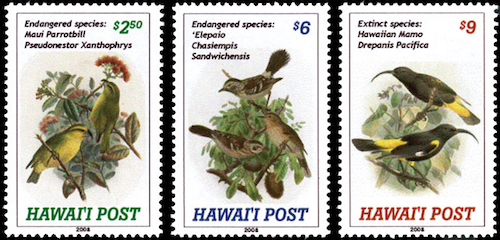
Hawaii is a special case because, despite the serene beauty of sun, sea and surf, the Hawaiian Islands have borne witness to one of the great animal extinctions in recorded history, owing to invasive species like rats and mongooses — and domestic cats — wiping out entire bird populations.

I don't know what the solution is — who does? — but, clearly, keeping one's couch moggy indoors may be a good start. 

http://wildlife.org/jwm-study-domestic-cat-attacks-cause-variety-of-wildlife-deaths/

http://www.outsideonline.com/2127956/hawaiis-crazy-war-over-zombie-cats

Extinct animals on film

One of several little-known facts revealed in PBS’s Nature’s two-part program The Story of Cats (premiered Nov. 2) is that every cat species on Earth — some 37 in all — can trace its genetic origin at least in part to the Southeast Asian clouded leopard.

That’s worth noting, because as a recent compilation video distributed by the Asian conservation group COPAL points out, the Formosan clouded leopard was just one of several species to become extinct in the 21st century. 

Climate change, as forewarned in Leo DiCaprio’s National Geographic film Before the Flood, is just one factor. Connections are often drawn between climate change and habitat loss, which is the real cause driving most extinctions today.

Habitat loss is a critical problem, especially as the world's population continues to expand and grow. Other animals to have vanished since the year 2000 include the Japanese river otter, the Baiji dolphin, the Pyrenean ibex, the Pinta Island tortoise and the Bermuda saw-whet owl, and that's just in the past two decades.

Dodo, Julian Pender/NHM.

What's done is done, of course. The dodo famously died out some 300 years ago, in one of the first known man-made extinctions, and has never been since, except in artists' renderings. 

Avian paleontologist and artist Julian Pender, an expert on the dodo with the Natural HIstory Museum in London, explains his process behind painting a portrait of the dodo in this video:

The dodo reminds us that what we take for granted today can be so easily forgotten tomorrow.

Food for thought — and posterity.